
01 / DEVELOPMENT ARCHIVE / 02
Break down the reference
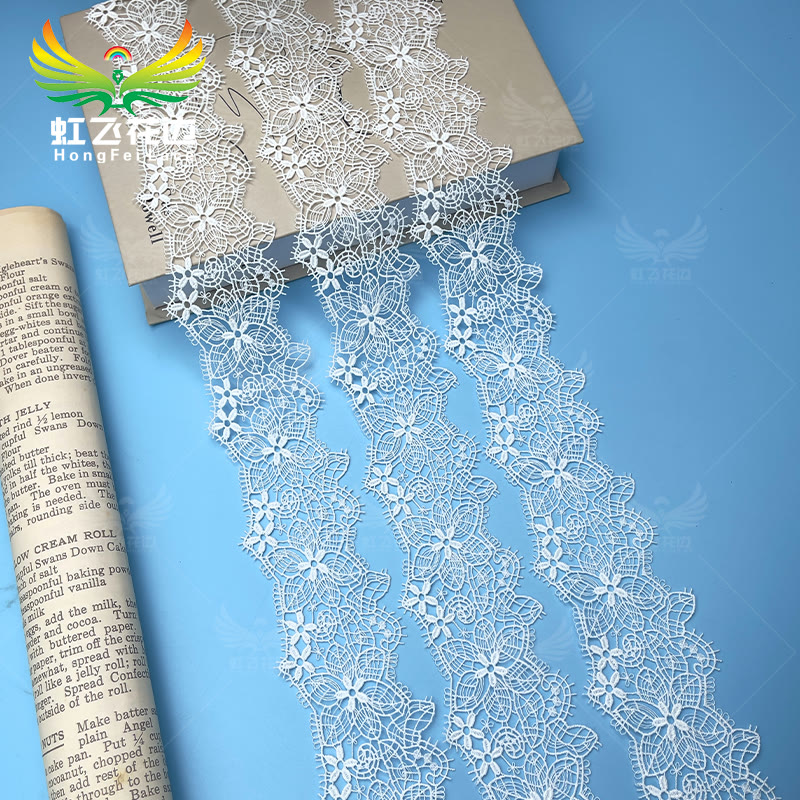
A reference can be a lace piece, image, fabric or garment detail. The useful step is translating what it looks like into what the development needs to achieve.
- Describe the pattern direction and visual focus.
- Point out garment position, fabric and target hand feel.
- Mark the edge, proportion or local detail that must be retained.
02 / DEVELOPMENT ARCHIVE / 02
Prepare for sampling
The closer the brief is to the real application, the more focused the sampling advice can be. If the brief is incomplete, start with the reference sample you have.
- Garment type and application position.
- Fabric type, target color and desired width.
- Estimated quantity, timing and whether a custom pattern is needed.
03 / DEVELOPMENT ARCHIVE / 02
Confirm before production
After sample approval, translate the visual result into a workable production standard, then confirm order quantity and delivery. Exact production conditions are confirmed by quotation.
- Approve sample standard, dimensions and appearance.
- Confirm how pattern, edge and application will present in bulk.
- Keep sample, production and inspection information aligned.
DEVELOPMENT NOTE
Exact product details, order quantities, inspection items and delivery are confirmed by quotation.
COMMON QUESTIONS
Make the key decisions clear.
Can lace be customized without a complete design pack?
Yes. A reference sample, image, fabric or application position can all be a starting point.
What is usually confirmed first after a reference sample is submitted?
We usually clarify pattern direction, material, width, stretch and garment position before selecting a sampling route.